The practice of zazen is recently becoming more popular among both Japanese and
people from overseas.
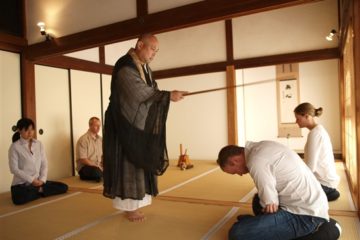
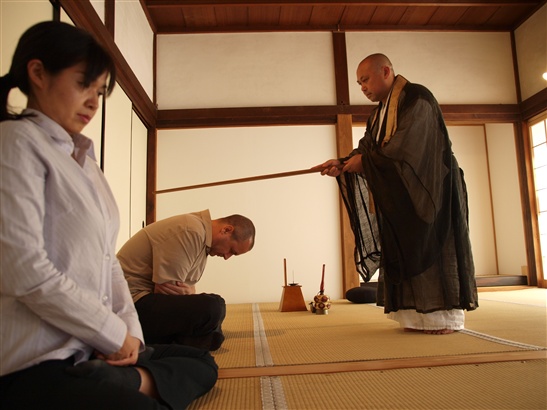
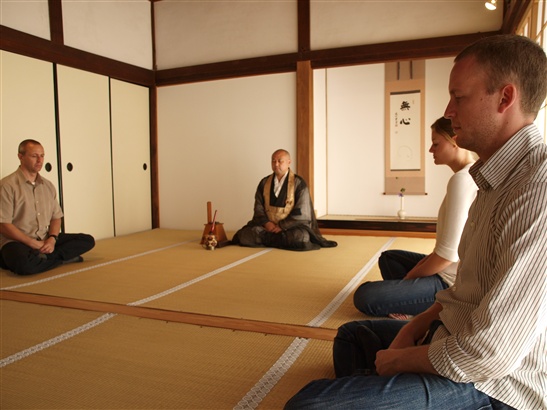
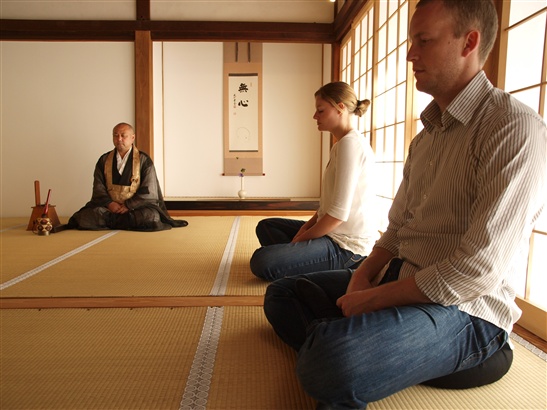
Zazen is a particular kind of meditation,
unique to Zen, that centrally functions as the very heart of the practice. In
fact, Zen Buddhists are generally known as the “meditation
Buddhists.” Basically, zazen is the study of the self.
Zen is one sect of Buddhism, introduced to
Japan from China in the 7th century. It was
revived in the 12th century and began to spread throughout the
country. Today, there are three major sects: the Soto Sect, the Rinzai Sect and
the Obaku Sect.
The original and ultimate purpose of Zen
is to attain enlightenment (satori). This is not the sole purpose, nor
is the purpose to stand the pain of sitting for a long time or experience the
ascetic practice of being hit with the keisaku stick. The purpose of
zazen is to sit quietly and calm your mind.
This Zen philosophy influenced Japanese
culture such as Japanese gardens, tea ceremony and flower arrangement.
Some temples of these sects accept
visitors who want to try zazen.
Kyoto is the center of Zen culture. For those of you who have chosen to try zazen
in Kyoto, it is sure to be a very special
experience.
CoCoMo Japan Travel is offering an
“Experience Zen Meditation”, “Tea Ceremomy” and “Philosopher’s
Path Walking” tour from 2010 in Kyoto. This tour is conducted with a certified
English-speaking guide, so it is highly recommended for people who are looking
for a zazen experience in English.
Well, let’s get a glimpse of this tour!
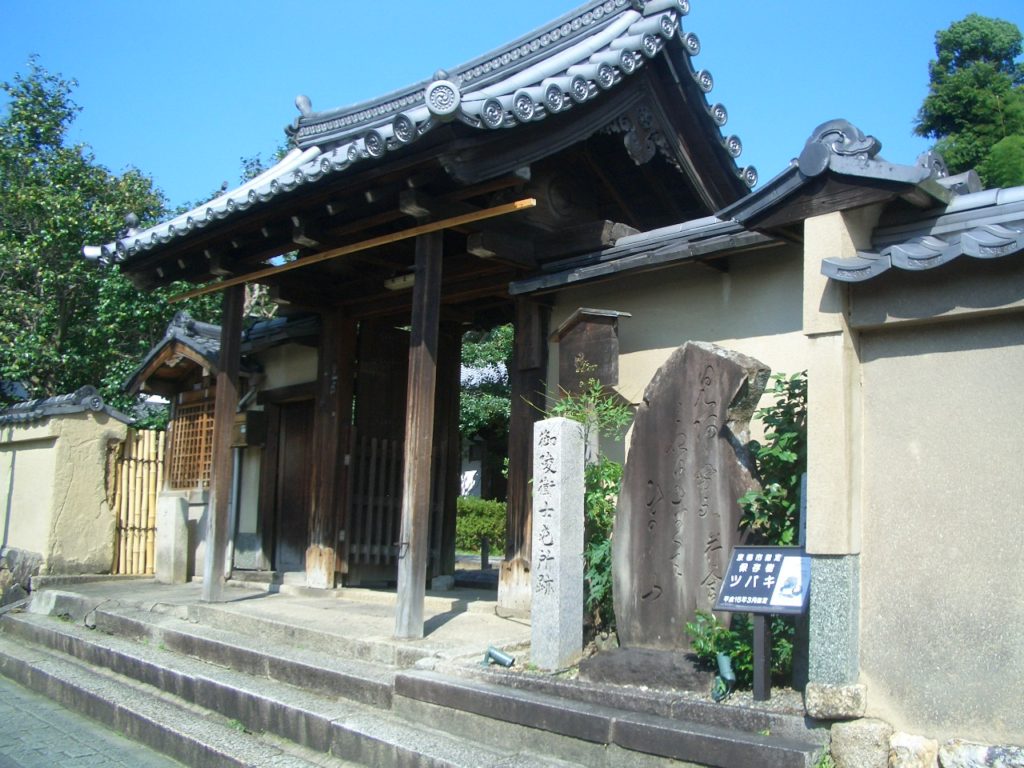
In the morning, at 8:15 a.m., an English speaking guide takes you to Kodaiji Temple.
Kodaiji Temple, formally known as Kodaijushozenji Temple, is located in the Higashiyama district in
Kyoto. It was established in 1605 by the
noblewoman Kita-no-Mandokoro in memory of her late husband, Toyotomi Hideyoshi (1536-98). All Kodaiji Temple’s buildings have been designated as “Important
Cultural Properties” by the Japanese Government.
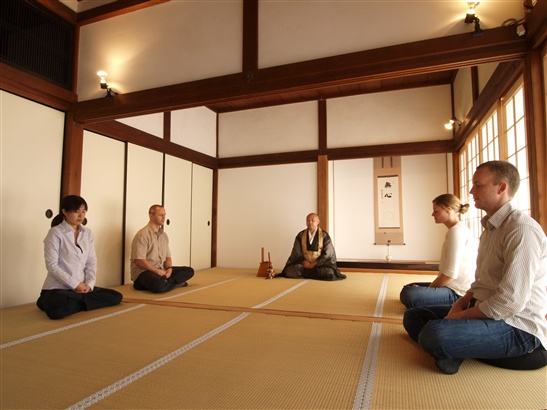
In the fresh morning air, you can try
zazen practice and hear the priest’s sermon for about 1 hour.
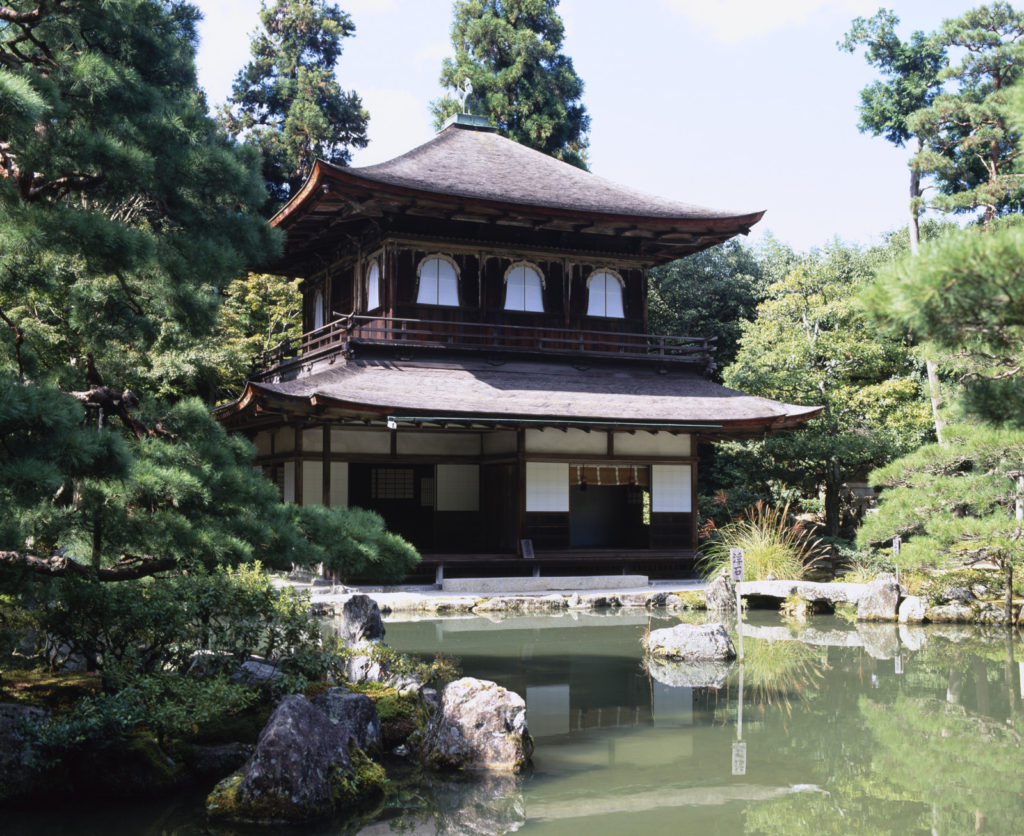
After that, the tour will visit Ginkakuji Temple (Silver Pavilion), which is also a Zen
temple. This temple is surrounded by trees, has a quiet outlook and is in
harmony with the garden that utilizes the natural surroundings of the area, from
which you will feel the calm dignity of the natural surrounds.
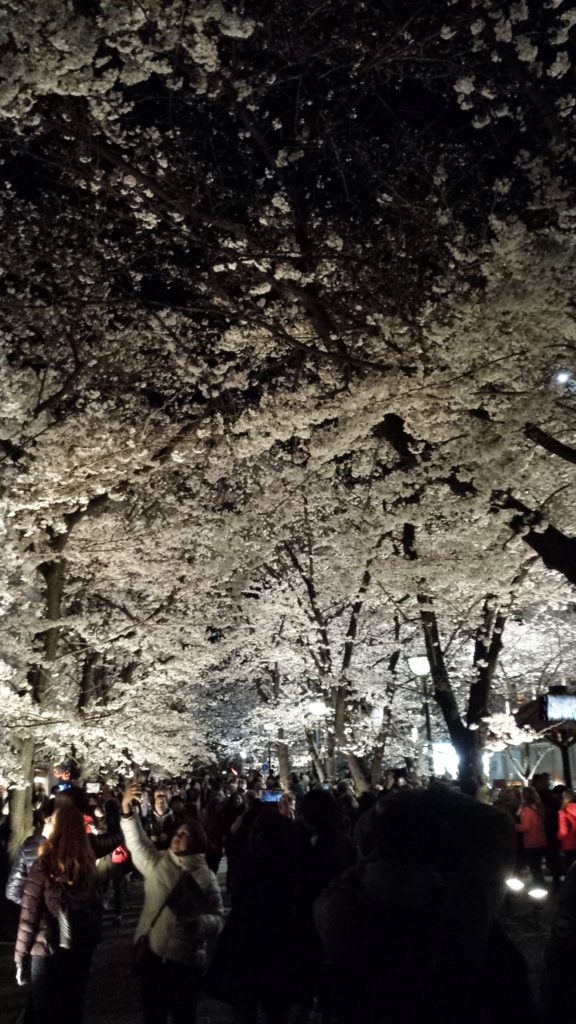
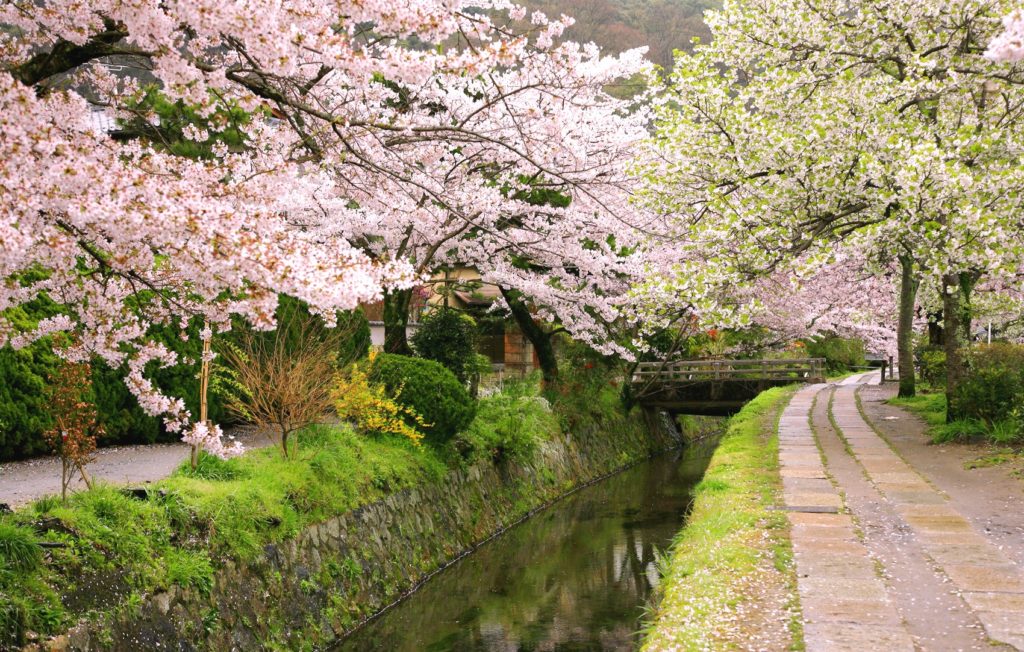
Strolling down the Philosopher’s Path, a
beautiful tree-lined walk along side a canal, you will arrive at a quaint house
as the final stage in your morning’s journey.
This is “Kano Shojuan” tea house, where you can enjoy tea
ceremony while viewing Japanese traditional hanging scrolls (kakejiku)
or flower arrangement in the tea house.
This half-day tour will end around noon, and you will enjoy a very fulfilling
morning.
You will be able to feel your inner self
and Zen philosophy through this tour. How about joining this special experience
during the season of the new green leaves!