Tokyo’s
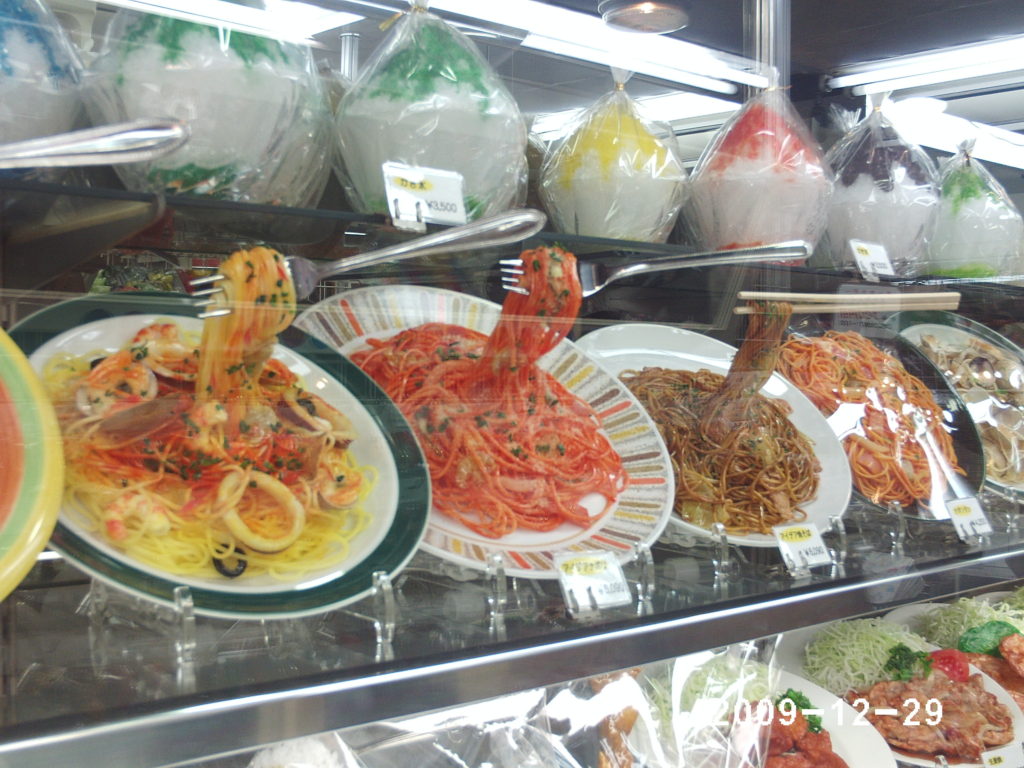
Kappabashi is a popular spot for overseas visitors, who come to see the area’s
shops selling restaurant equipment. One of the things they particularly like is
the authentic-looking food samples and cutlery. In Japan, many restaurants
display such colorful samples in a menu showcase to facilitate food selection.
I suppose eateries whose food displays are allowed to become faded and grimy
might have equally unsanitary kitchens, and are best avoided.
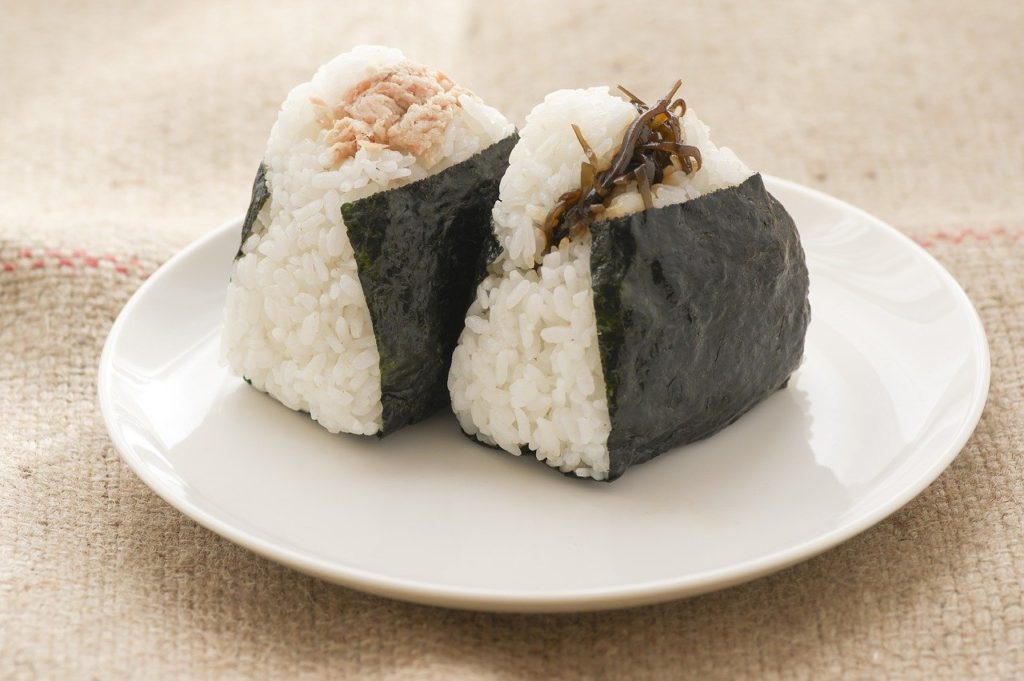
Rice balls are indeed convenient as a portable
food. It is said that, during the time
when people, even the nobility, ate unpolished rice, people began pressing rice
into balls because the unpolished rice easily fell apart.
Shimpachiro Tamura wrote in his book “Nihonjin to
Tabemono (Japanese and Their Food)” (published by Maruzen) that the triangular
shape of rice balls, which is now regarded as the most popular shape of rice
balls, started to spread from the middle of the Meiji era (1866 to 1912).
Before that time, the standard shapes of rice balls were
round (shape of a ball) and rectangular round (shape of a rice bag).
The Japanese fairy tale “Omusubi Kororin (The Runaway
Rice Ball)” has an episode where a rice ball rolled over and over and fell down
a hole. Because it rolled around, there
is no mistake that this rice ball was in the shape of a ball. Also, it appears that most rice balls packed
in lunch boxes for field trips or other outdoor excursions have the shape of a rice
bag.
Nowadays, however, most rice balls sold in stores are
triangular in shape. So how did triangular
rice balls become predominant?
It is said that the spread of triangular rice balls had
its beginnings from an illustration in a schoolbook compiled by the state during
the Meiji era (1868-1912).
Schoolbooks compiled by the state began to be
published from 1903. One of the
schoolbooks introduced the fairy tale “Sarukanigassen (The Crab and the Monkey)”
that contained an illustration showing the children of the crab holding rice balls. These rice balls were triangular in shape.
Whether or not the shape of rice balls that had not
existed until then captured the hearts of children, it is said that this illustration
led to triangular rice balls becoming popular throughout the country.
It is not known, however, why the rice balls in the
illustration for the fairy tale “Sarukanigassen” were triangular in shape.
Triangular rice balls thus spread throughout the
country due to the influence of the schoolbook.
However, it seems that most of the rice balls that are sold in stores
nowadays are triangular in shape for a business reason. That is, for the same amount of rice, the
triangular shape gives the appearance of being the biggest.
Japan’s main transportation artery with an abundance of unspoiled
natural beauty
Overview of the Seto Inland Sea
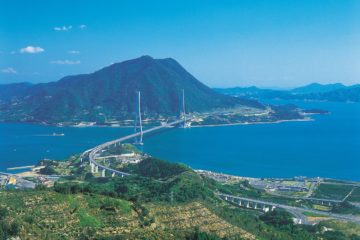
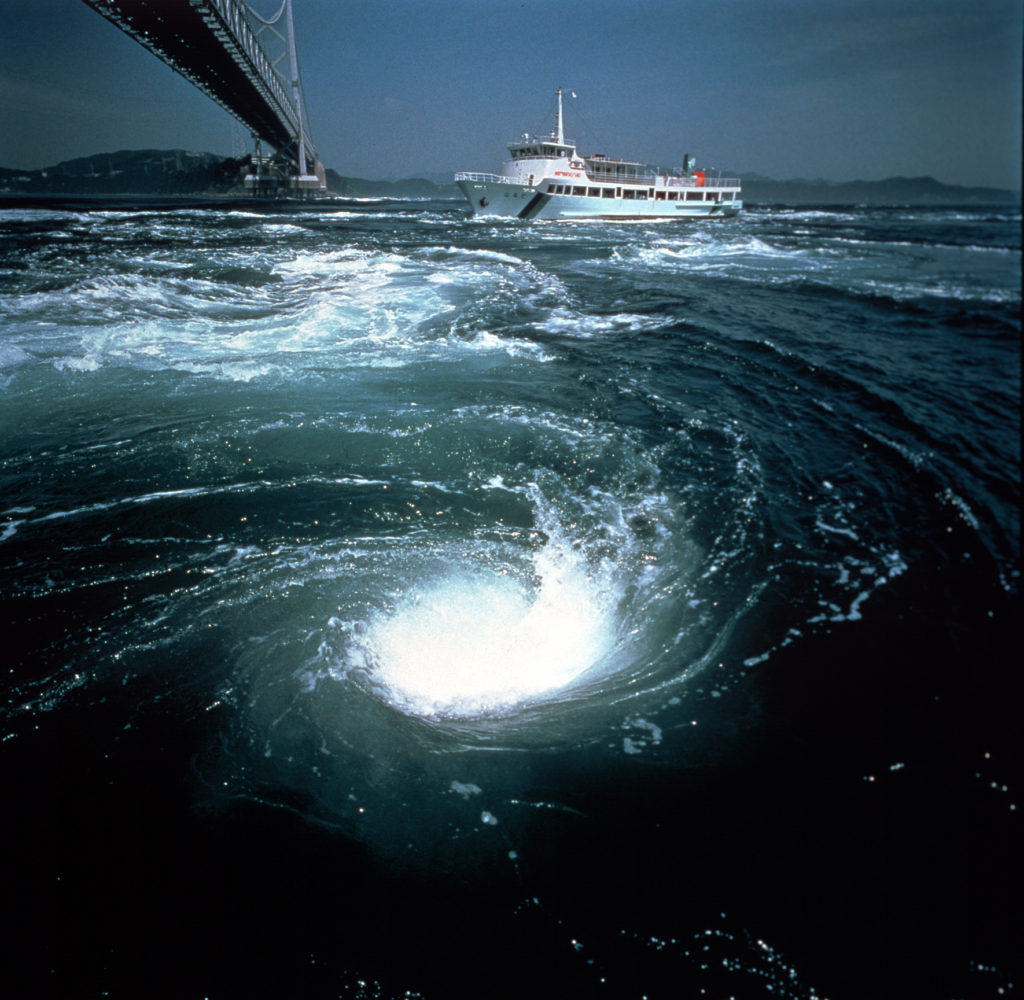
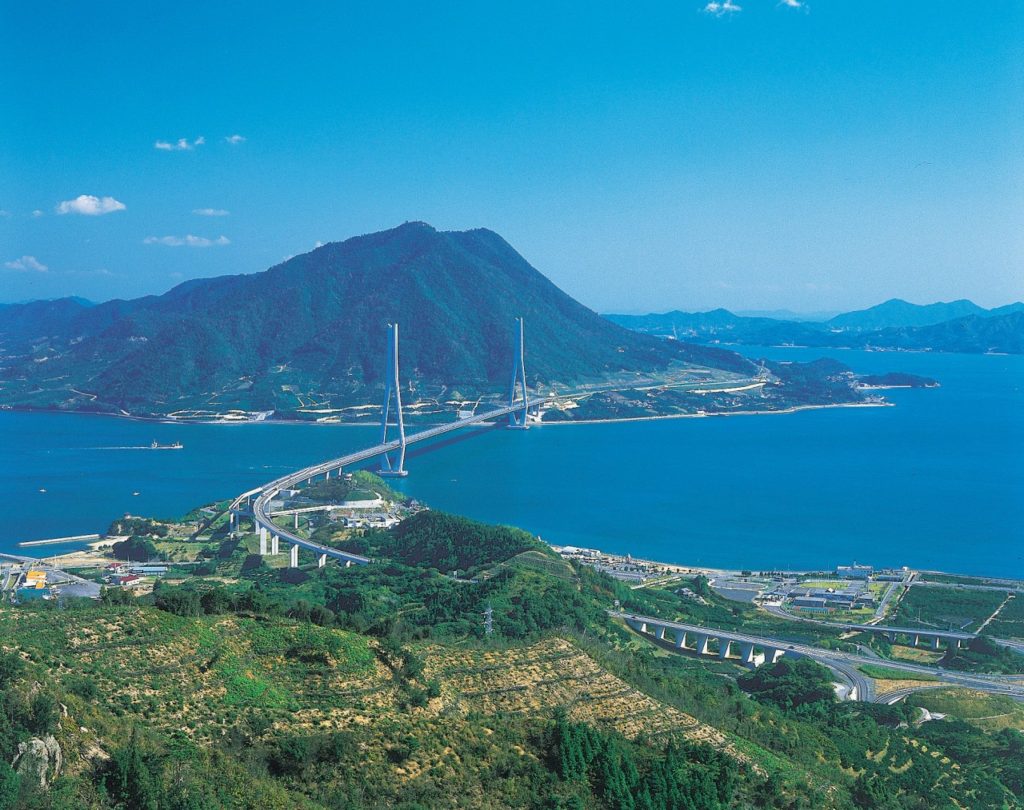
The Seto
Inland Sea is surrounded by the three islands of Honshu, Shikoku, and Kyushu in the
Japanese archipelago. As Japan’s
largest inland sea, it runs approximately 450 kilometers from east to west and
anywhere from 15 to 55 kilometers from north to south (depending on the
location). Including the coastal areas, it is also called the “Setouchi.”
With the lake-like tranquility of the sea’s surface, myriad islands, beautiful
stretches of sandy beach dotted with green pines, terraced rice paddies and
other beautiful sites, the area’s pleasant view and rich nature are alive. Such
Europeans as Philipp Franz von Siebold and Thomas Cook, who came to Japan
during the time from the ending of the Edo Period on through the Meiji Period,
offered high praise of the area’s beauty, as they kept its memory dear. In
1934, the location centering on the so-called “Bisan Seto” area of
the sea, which stretches between Okayama, Hiroshima, and Kagawa Prefectures, was
designated as “The Seto Inland Sea National Park,” Japan’s first
national park.
The Seto
Inland Sea has come to play an important role as a marine traffic route. The
area has, since long ago, acted as a major artery for people and materials
going back and forth, a route in which cultural elements from the mainland came
to be transmitted and which, during the Edo Period, saw the coming and going of
shipping vessels. People, material, and information have been exchanged in a
fluid manner on the islands and coasts of the sea, and various cultures and
traditions have taken shape there. The appeal of the Seto Inland Sea lies in
the way that the lives of the people have come to be one with the area’s
nature.
On the
other hand, large scale industries developed hand-in-hand with rapid economic
growth after the 1960s. Along with this economic development came worsening
environmental pollution in certain parts of this beautiful place.
Including
both the positives and the negatives, the Seto Inland Sea has accumulated much
in the way of history and culture.
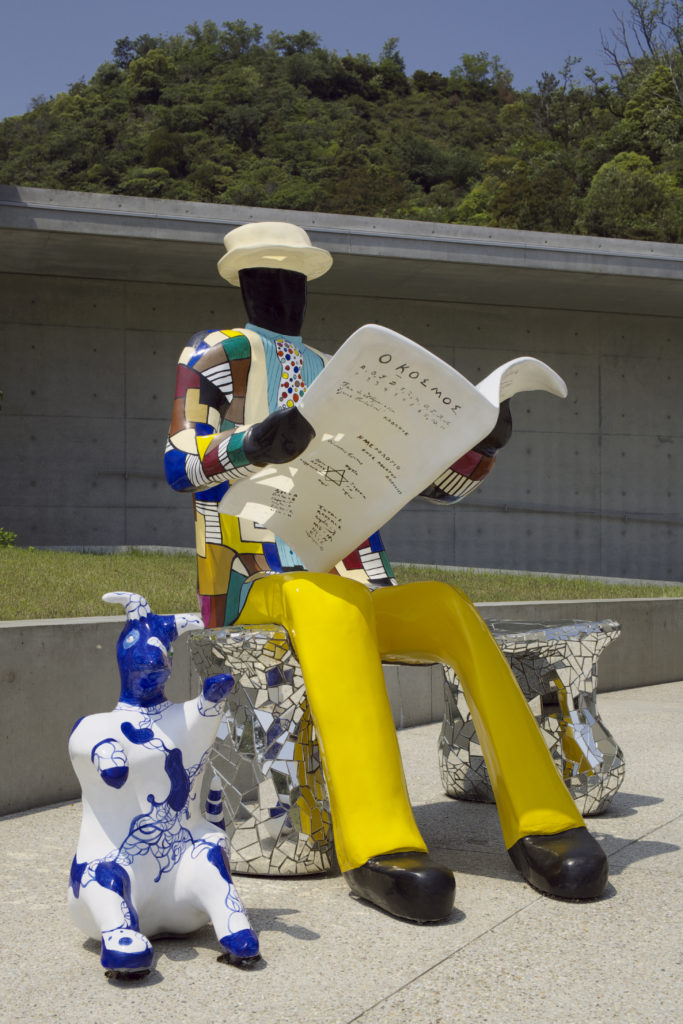
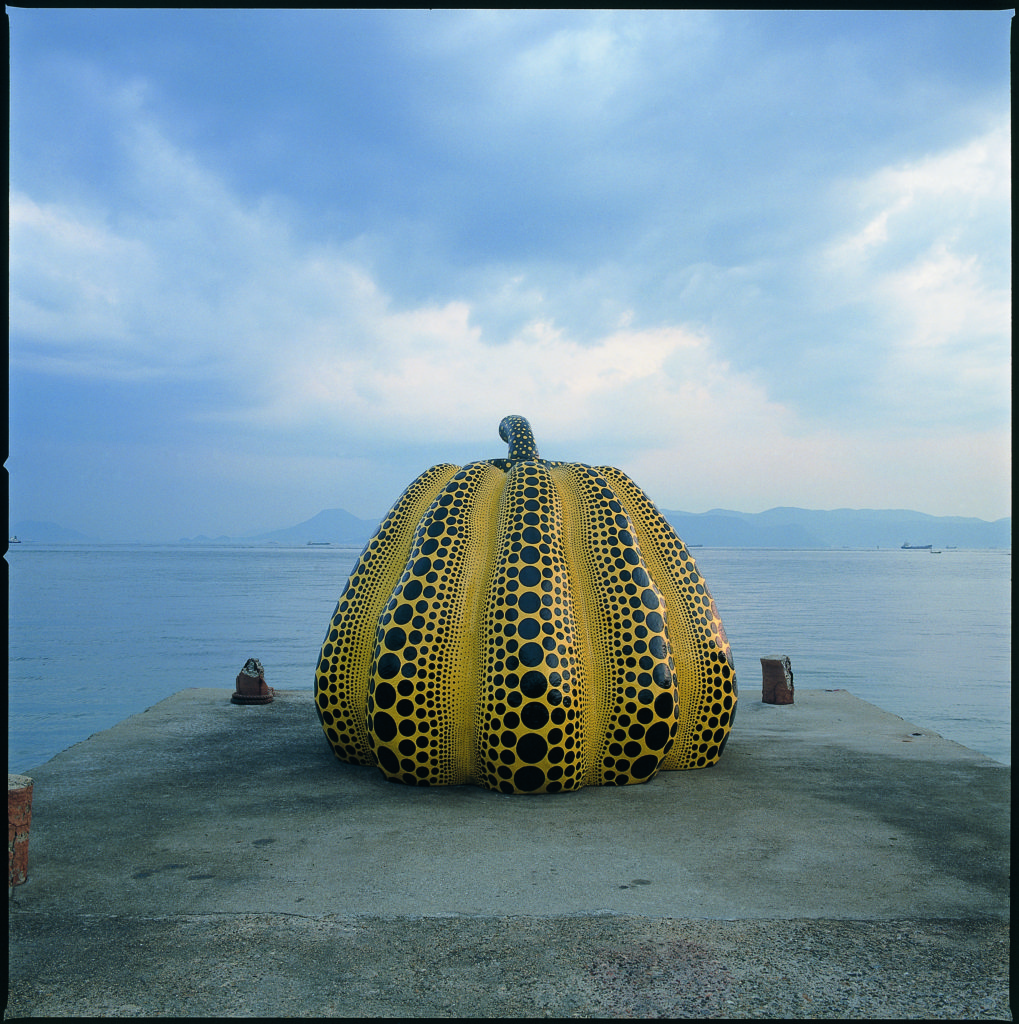
Setouchi International Art Festival
“100-Day Art and Sea Adventure”
The
Setouchi International Art Festival will be held in hopes of bringing the
vitality back to the islands of the Seto Inland Sea, where the beautiful nature
and the people have mingled and become synchronized together. People in the
Seto Inland Sea believe that the realization of art created through the
collaboration of modern artists, architects, and local residents will bring
about new discoveries in the workings of our daily life, attract people from
all over the globe, and become an opportunity for local citizens to interact
with the world. The Setouchi International Art Festival blends the folk
customs, entertainment, festivals, and regional characteristics that have
transcended the ages with the art, architecture, and drama that evoke the
feeling of the contemporary times. It is a project that conveys the charms of
the Seto Inland Sea to the world.
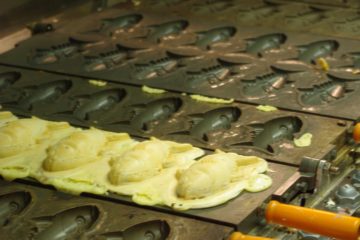
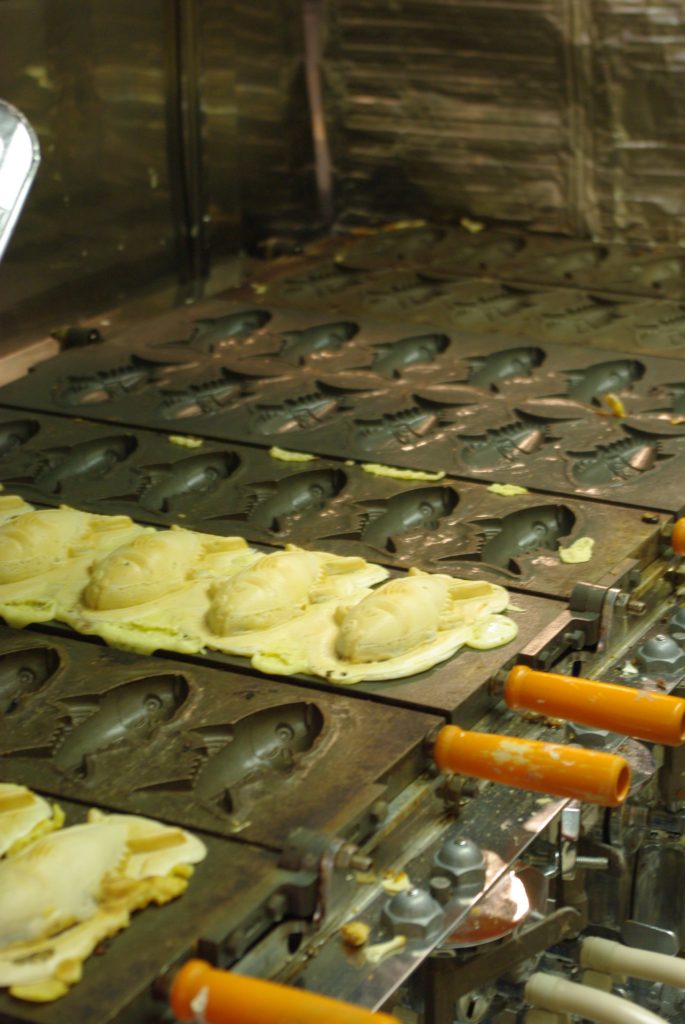
Tokyo’s huge Tsukiji fish market is a popular spot
for foreign visitors, who enjoy watching the trading as well as being able to
enjoy fresh seafood close by. Now, there’s an
unusual treat available also at Tsukiji called “maguro-yaki.” The
griddle cakes, which contain a sweet bean filling, closely resemble the already
popular confection known as “tai-yaki,” except these are shaped like
*maguro* (tuna) instead of *tai* (sea bream).
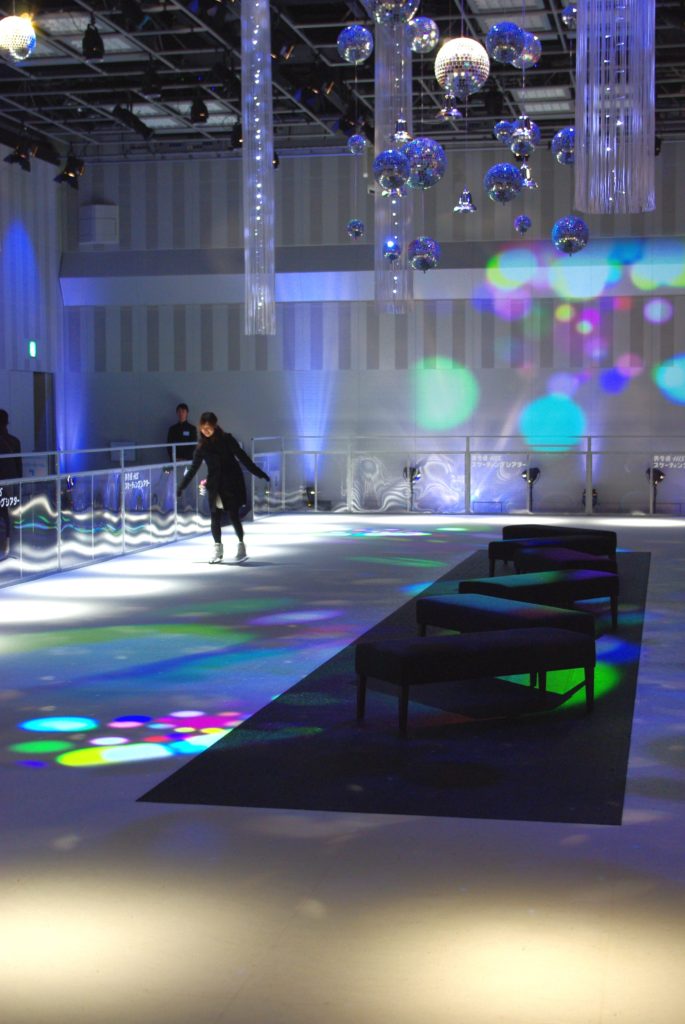
A new skating rink made its sudden appearance in
Omotesando, the elegant tree-lined street that’s regarded as Tokyo’s Champs
Élysées. The rink’s surface is made of a new plastic material that does not use
water or require temperature adjustment, making it environmentally friendly.
The sound, lights and images combine to make a dreamy atmosphere.
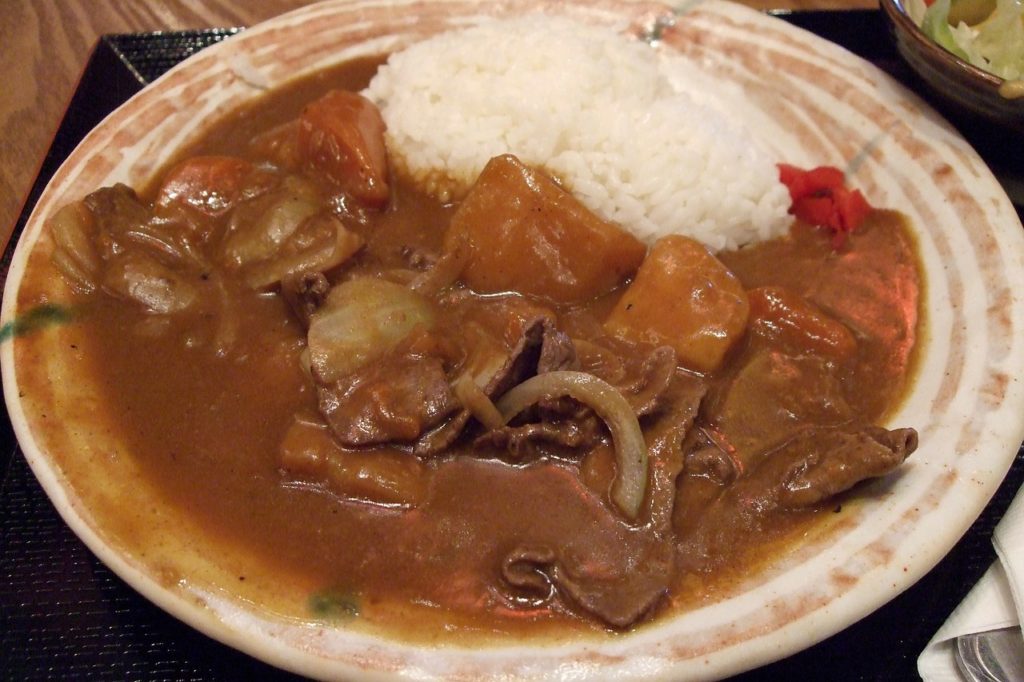
Curry Rice Became One of the Most Popular Dishes
Thanks to the Military
Popular dishes among children these days include
expensive items such as sushi and
steak. However, curry rice has retained
the top spot of popular dishes from very early.
People have always been widely fond of curry rice.
The reason curry rice has managed to become this
popular is due to the military. In
particular, curry rice has its origins in a cookbook created by the army.
In the military, it is essential that meals be nutritional
and able to be easily eaten on the battlefield.
Curry rice met both of these conditions.
In 1910, the Japanese Imperial Army created and
distributed to the troops a small booklet called “Military Cooking” that contained
recipes for the military. The booklet
contained a recipe for curry rice (curry soup on rice).
The following are the ingredients for one serving of
“curry soup” introduced in the 1937 edition of “Military Cooking.”
Beef (or pork, rabbit, mutton, chicken, shellfish) 70
grams, white potato 100 grams, carrots 20 grams, onion 80 grams, flour 10
grams, curry powder 1 gram, salt small amount, and lard 5 grams.
This “curry soup” is similar to the standard curry of
today that contains carrots and potatoes
Besides having a high nutritional value and being able
to be cooked in large volume, curry can be prepared easily. It’s no mistake that curry was highly
appreciated.
Curry rice was also introduced in a cookbook prepared
by the navy. However, it is said that
the amount of meat was 30 grams more than the curry of the army. It appears that physical strength was given
greater emphasis in the navy than in the army because sailors had to live on shipboard
for a long time.
Upon being discharged from the military or when they
returned home, the soldiers that enjoyed the curry rice served in the military
taught the military recipe to their friends.
In this way, the curry that first gained popularity as a military meal
before long became one of Japan’s most popular, well-beloved dishes.
In the popularization of curry rice, the military
played a large role.
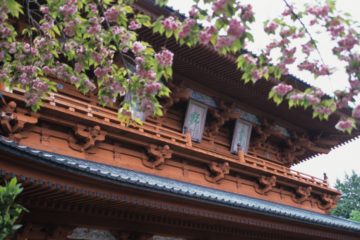
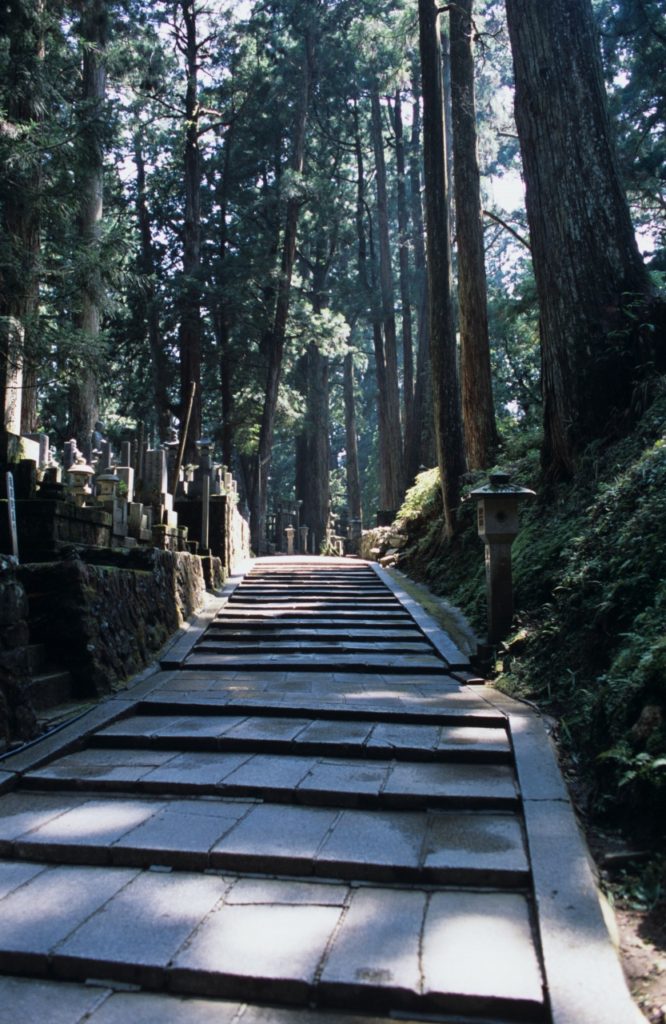
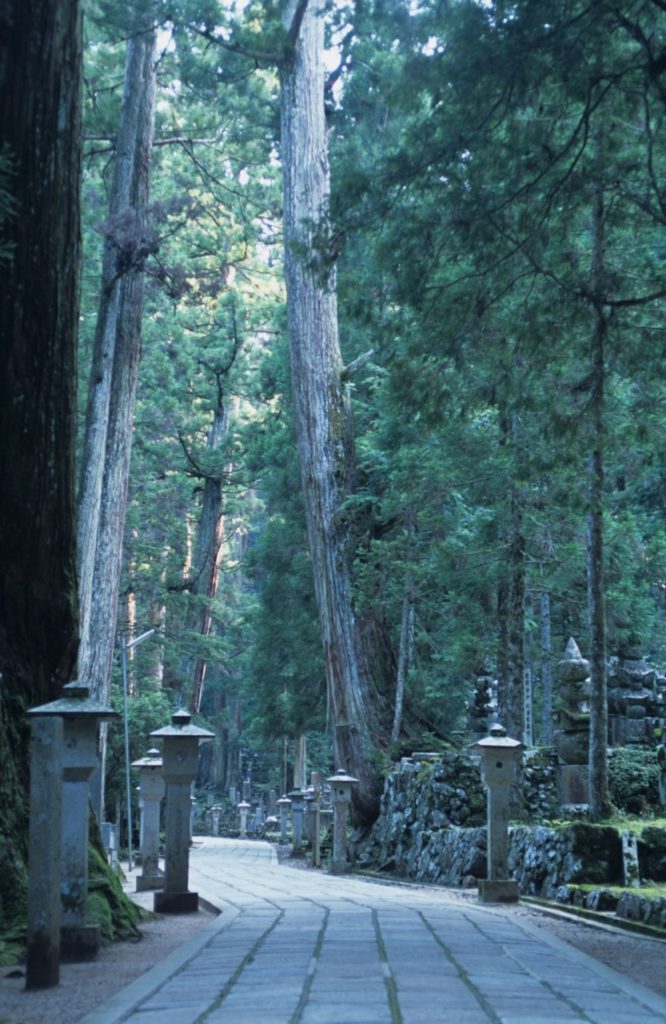
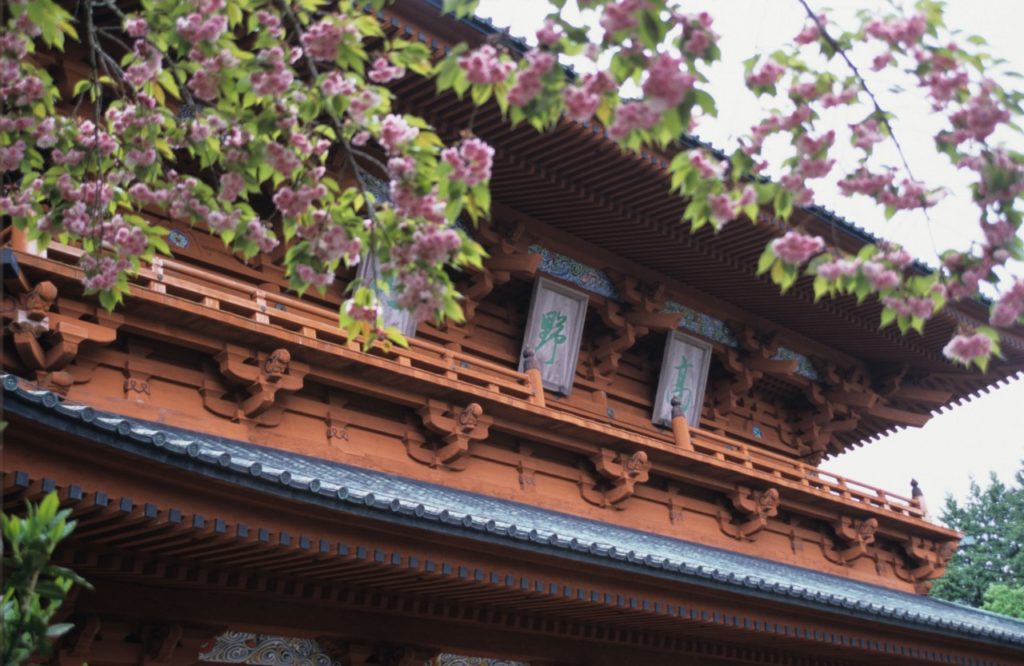
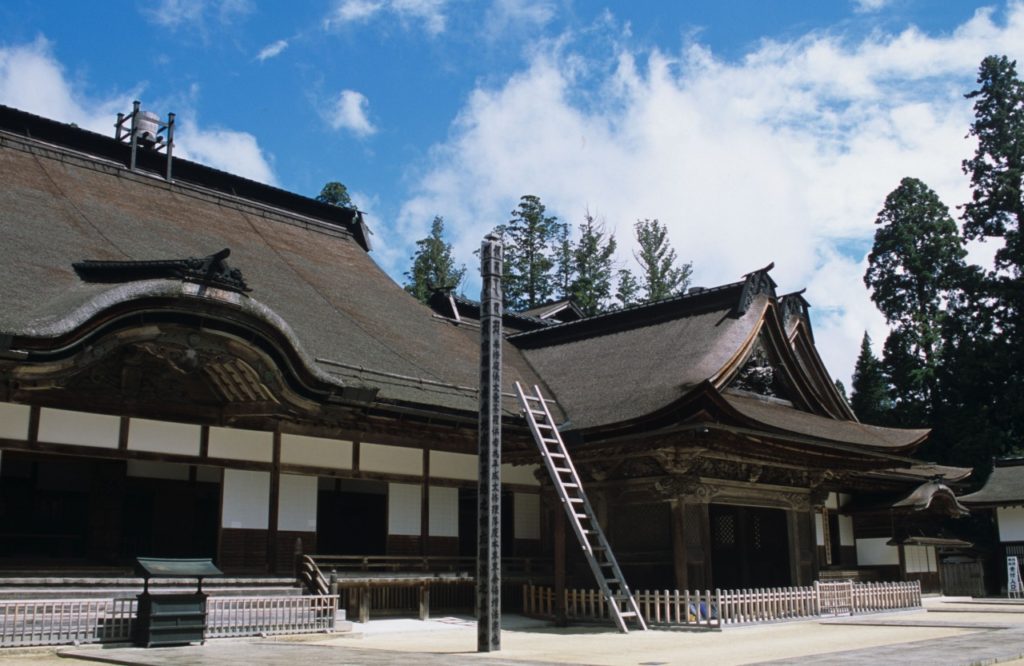
Koya-san
is a region surrounded by 3 peaks and 5 mountains in Wakayama Prefecture, located south
of Osaka, in a 900m high valley. Koya-san
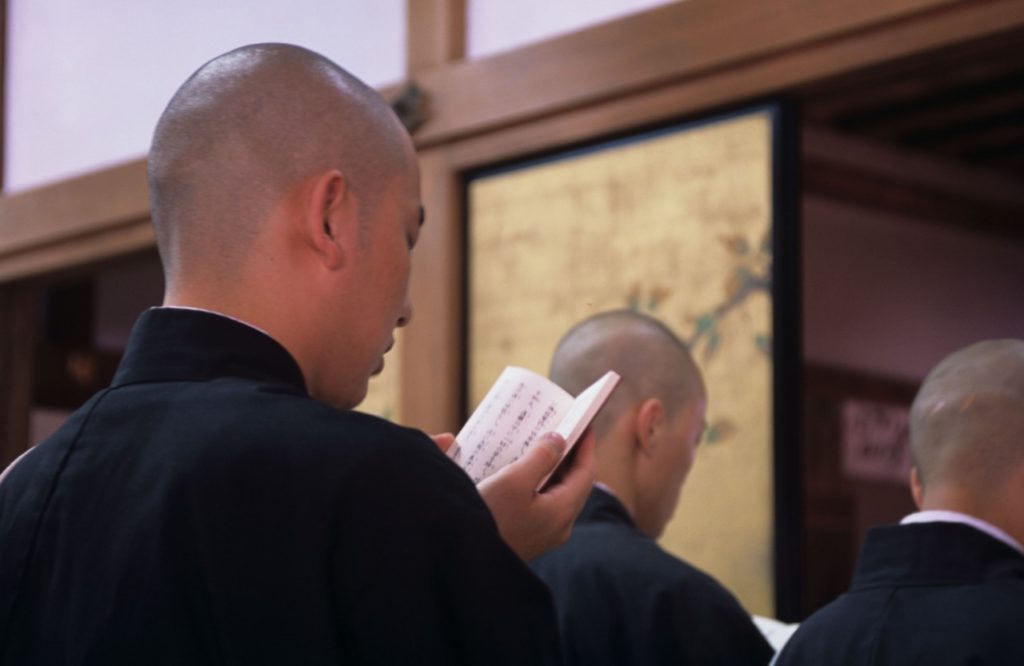
was first settled by a famous priest, Kukai, 1,200 years ago for the study and
practice of the Shingon sect of Japanese Buddhism. Kukai, also known
posthumously as Kobo-Daishi, was a priest who established the sect during the
Heian period (794-1185). Shingon Buddhism arose after the monk Kukai went to China in 804 and
studied in the city of Xian under Hui Ko and
returned with many texts and art works. He made great efforts to spread Shingon
Buddhism throughout Japan.
Koya-san
has two major holy areas essential to the doctrines of Shingon Buddhism. One is
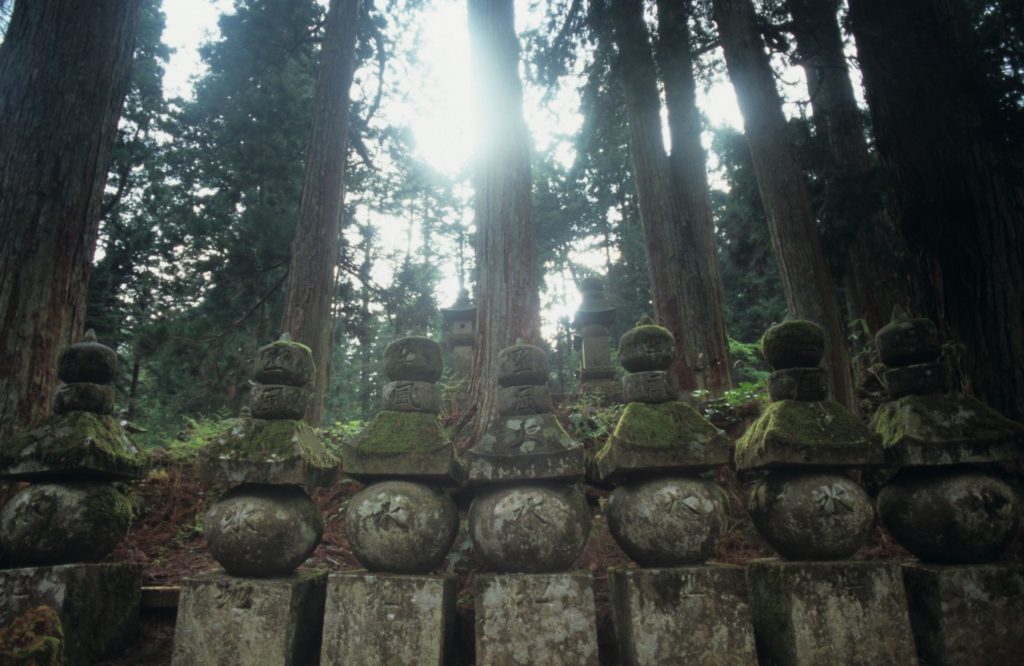
Okunoin, the heart of the faith, where the mausoleum of Kobo Daishi is
enshrined. There is a vast cemetery where some famous Japanese people are laid
to rest including Toyotomi Hideyoshi, as well as the spirits of soldiers killed
in the Pacific War.
The
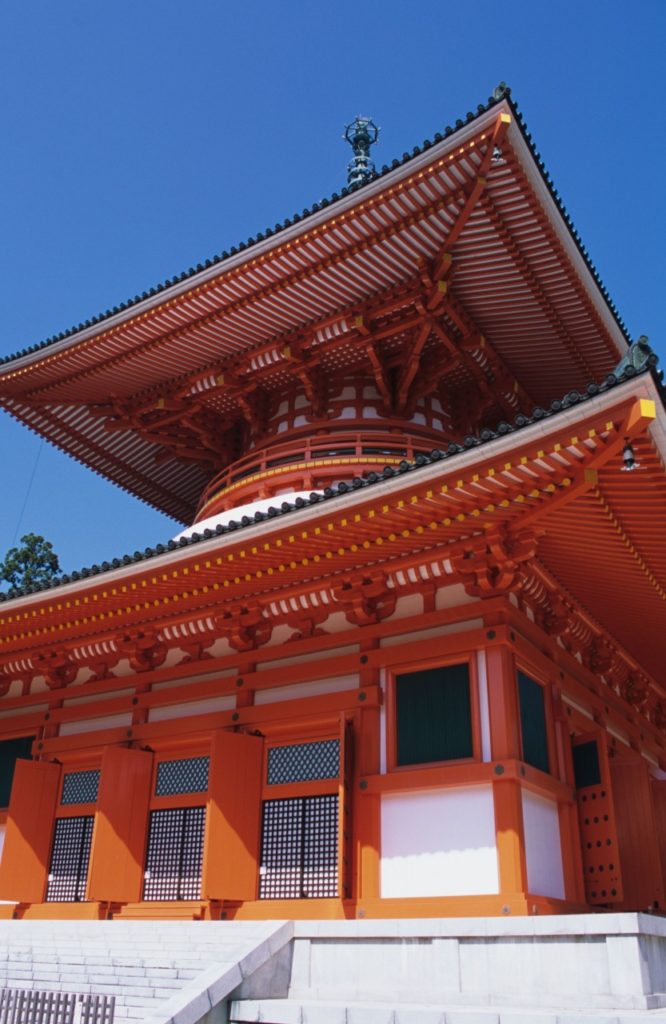
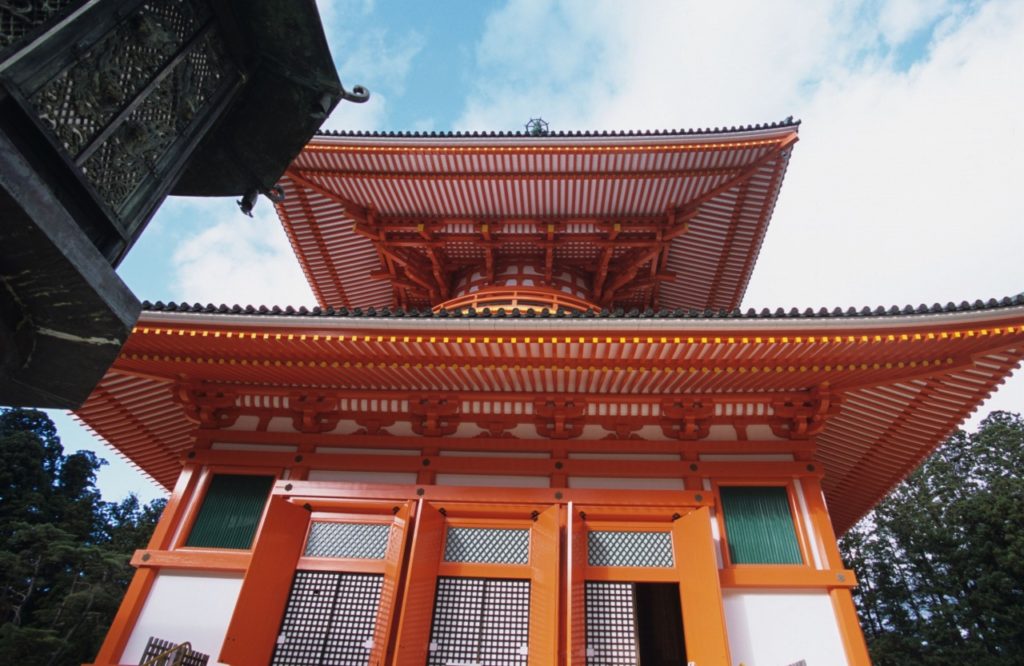
other is Danjo Garan, the precinct for religious practices, with temples,
halls, pagodas and Buddhist statuary. When Koya-san was founded on this very
ground, Kobo Daishi held a groundbreaking ceremony and then dedicated his life
to its construction.
In
the last 1,200 years, the teachings, rituals and traditions of Koya-san have
not changed. Through the efforts of countless people, the community has been
able to preserve its rich heritage and customs, but there have been some
notable changes as well through the centuries. Although many of the ancient
buildings have survived for many years, some of them have been lost due to fire.
Another
significant change occurred in 1872. This was the year that the law prohibiting
women to enter Koya-san was revoked. This change not only brought women to Koya-san,
but with them, many other common people and children came to the mountain
community. Koya-san, once a place for male priests only, gradually transformed
into a small town.
In
2004, Koya-san was registered through UNESCO as a World Heritage Site. “Sacred
Sites and Pilgrimage Routes in the Kii Mountain Range” is the official title.
Since being registered as a World Heritage Site, more
and more visitors have come to Koya-san to appreciate its rich history and unique
atmosphere.
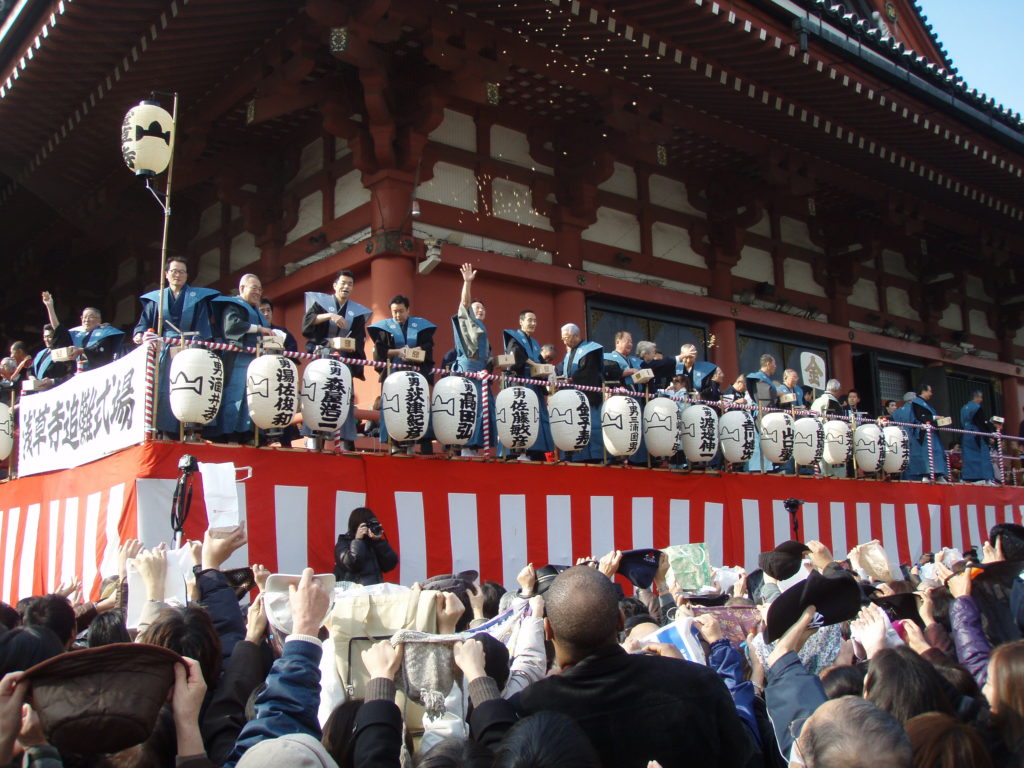
February 3 in Japan is “setsubun,” a traditional holiday at which beans are tossed in a ritual to exorcise evil spirits from the home and pray for the family’s health and safety. Shouting “Oni wasoto!” (out, devils!) the beans are thrown from the interior of the house to outside. Shouting “Fuku wa uchi!” (good fortune in!), the beans are thrown into the house. This photo is at the Sensoji temple in Tokyo’s Asakusa district, where men who were born in the calendar year corresponding to the 12-animal Asian zodiac throw beans at revelers below.
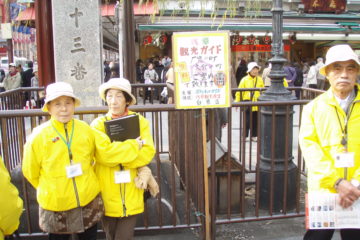
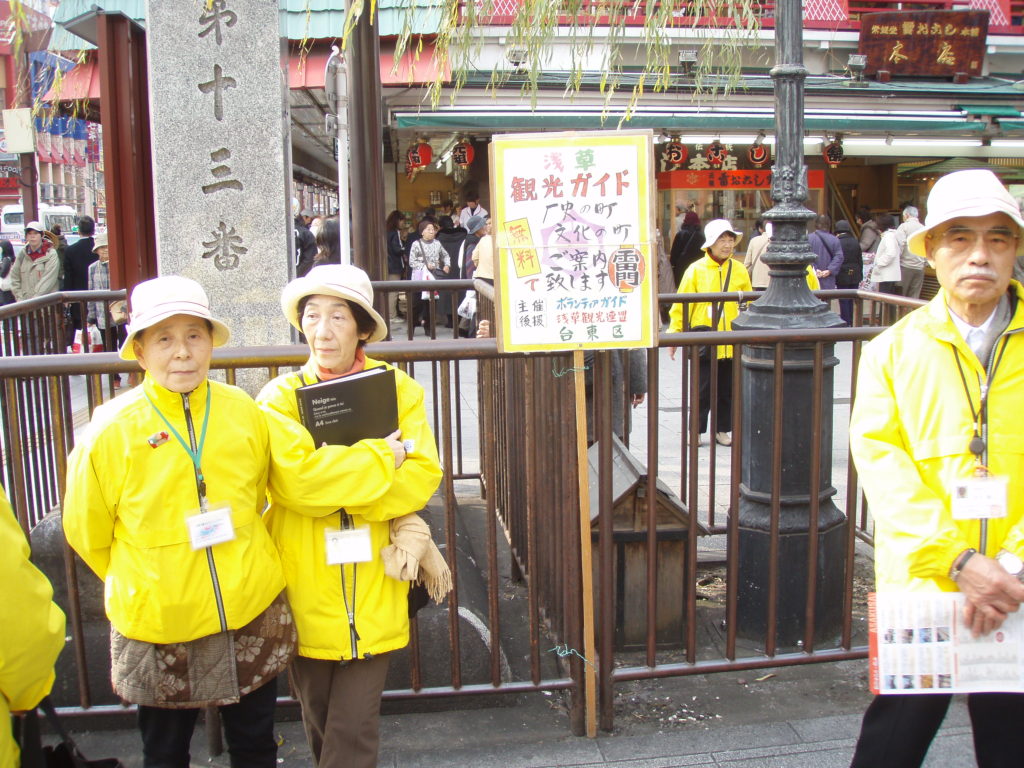
Just because society is aging doesn’t mean that people should be disheartened. These days many retired people are signing up to serve as volunteer guides. Their only remuneration is something to keep them active and good health. When one becomes older more than anything else, those factors are most important. More than the accumulation of wealth, isn’t the key criteria for happiness about the ways we can be of use to others?
The political funds scandal led ex-Prime Minister
Yukio Hatoyama to pay the gift tax of about 600 million yen on 1.26 billion yen
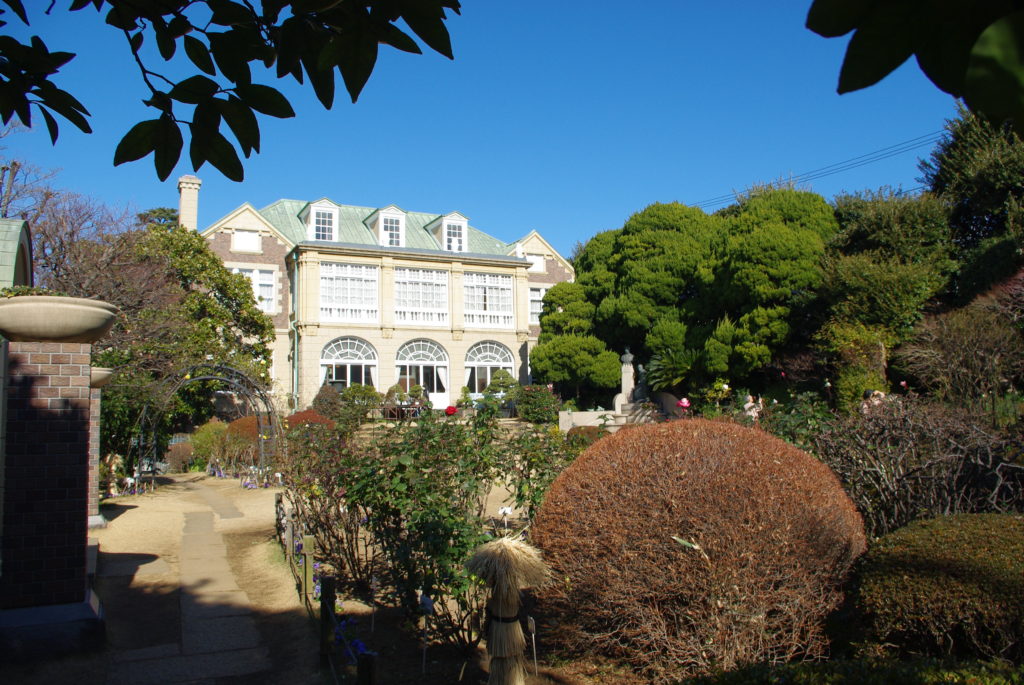
he has received from his mother since 2002. These photos show a western-style
house built by his grandfather Ichiro Hatoyama, the 52nd, 53rd, and 54th Prime
Minister of Japan. So-called Hatoyama Mansion in Tokyo is now open to the public and with the scandal taking
media attention, the number of visitors is skyrocketing. After seeing the
house, the visitors are all convinced that Yukio was born with a gold spoon in his mouth, but not
convinced with his explanation on where the gold came from.